The Impact of Hybrid Work Culture on Office Space Design in Abu Dhabi
The global shift towards hybrid work—where employees split their time between remote work and office presence—has significantly influenced office design in Abu Dhabi. As companies embrace flexible working patterns, traditional office layouts are evolving to accommodate collaboration, creativity, and employee well-being.
The Rise of Hybrid Work
Hybrid work has become the norm, driven by the need for flexibility, work-life balance, and technological advancements. Employees now expect a mix of remote and in-office work, creating challenges for office planners who must balance capacity, functionality, and safety. For businesses navigating this shift, understanding trends in Abu Dhabi commercial real estate is crucial. Office developers and landlords are redesigning spaces to meet these new expectations, offering adaptable layouts and modern amenities that appeal to hybrid workforces. Beyond employee expectations, companies are also seeking to attract top talent. Offices are increasingly becoming a tool for employer branding, offering environments that convey innovation, inclusivity, and care for employee well-being.
Redefining Office Layouts
Traditional offices with fixed cubicles and rigid layouts no longer suffice. Hybrid work culture demands:
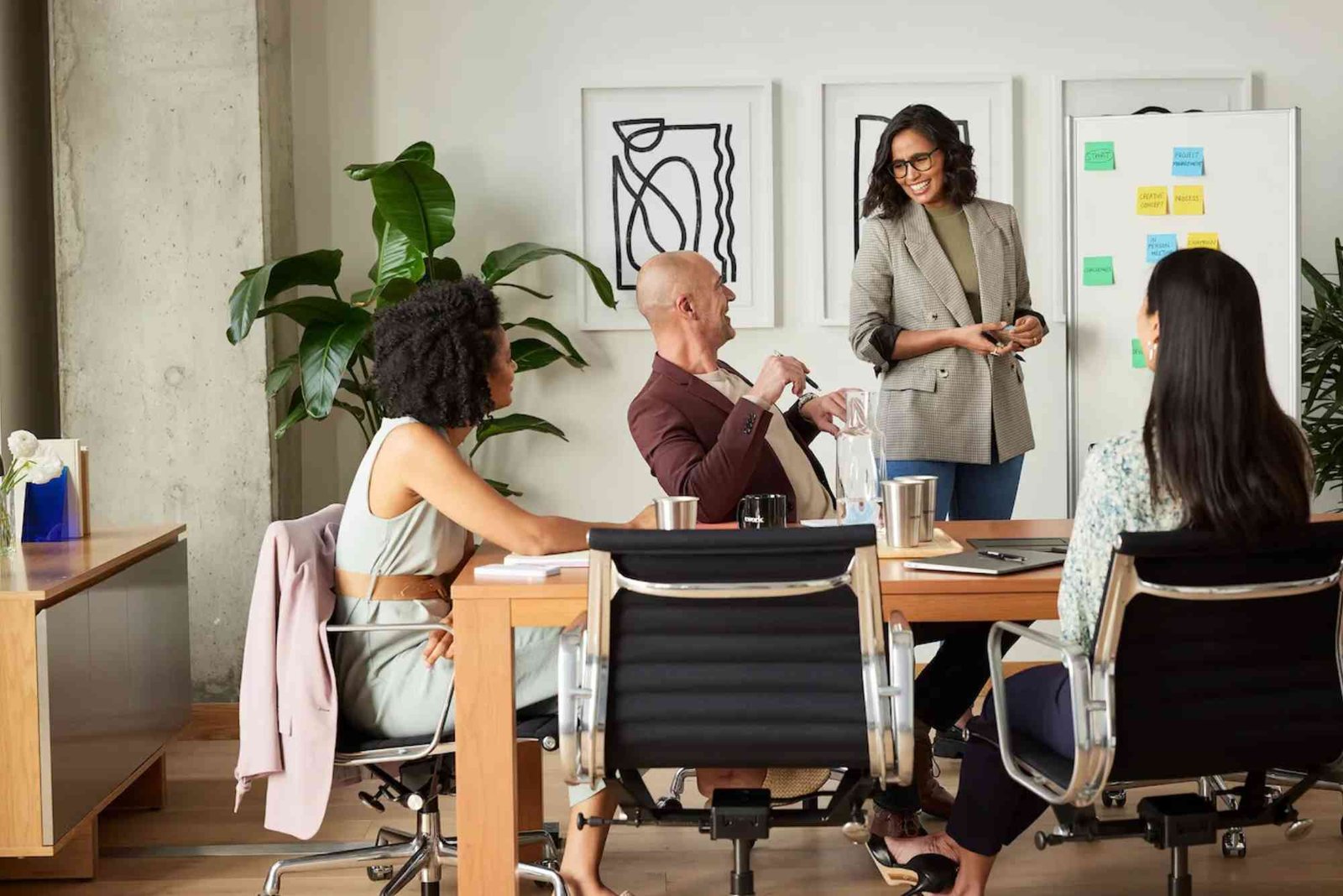
Activity-Based Workspaces: Offices now include various zones—quiet areas for focused work, collaborative zones for team projects, and informal lounges for brainstorming. These diverse areas allow employees to choose the environment that best supports their task, promoting productivity while accommodating different work styles.
Flexible Seating: Hot-desking and hoteling systems allow employees to choose desks as needed, optimizing space usage and reducing overhead costs. This also encourages cross-team interactions, helping break down silos within organizations.
Tech-Integrated Spaces: Seamless video conferencing, cloud-based collaboration tools, and high-speed internet are essential to support employees working remotely or from different office locations. Many companies are now adopting smart office technologies such as sensor-based occupancy monitoring, which helps manage desk availability and ensures health and safety compliance.


Smaller Private Offices: For tasks requiring privacy, compact private offices or booths are being integrated alongside shared areas. This combination supports focused work while maintaining the flexibility needed for a hybrid environment.
Well-Being and Employee Experience
Modern office designs in Abu Dhabi prioritize employee well-being. Natural lighting, greenery, ergonomic furniture, and wellness zones enhance productivity and morale. Companies recognize that a hybrid model requires spaces that not only facilitate work but also provide comfort and a sense of belonging. Beyond physical amenities, some offices are incorporating mindfulness rooms, nap pods, and fitness corners, reflecting a holistic approach to well-being.
Sustainability Considerations
Hybrid work models also encourage sustainable office practices. Reduced full-time occupancy allows businesses to downsize office footprints, saving energy and resources. Offices are increasingly incorporating energy-efficient lighting, smart HVAC systems, and sustainable materials, aligning with Abu Dhabi’s sustainability initiatives. Many organizations are now designing multi-purpose areas that can adapt to different needs throughout the day, minimizing energy consumption and reducing unnecessary waste.
Designing for Collaboration
Hybrid work can risk employee isolation if not managed properly. Office spaces are therefore being designed to foster collaboration. Meeting rooms, breakout spaces, and informal gathering areas encourage spontaneous interactions, idea sharing, and team cohesion. Many offices also integrate social spaces where employees can connect during in-office days. Abu Dhabi companies are increasingly blending indoor and outdoor areas, such as terraces or courtyards, to create natural environments conducive to informal discussions and networking.
Location Strategy in Abu Dhabi
The hybrid model allows businesses to reconsider location strategy. Companies can opt for centrally located smaller offices to facilitate periodic in-person collaboration while maintaining remote work flexibility. This approach optimizes operational costs while retaining accessibility for employees and clients. Some organizations are experimenting with hub-and-spoke models, maintaining a central headquarters for key meetings and several smaller satellite offices closer to residential clusters, ensuring employees can minimize commuting time while staying connected.
Embracing Cultural and Social Context
In Abu Dhabi, office design is also influenced by the cultural context. Social norms, climate considerations, and regional lifestyle preferences shape workspace planning. For example, shaded outdoor lounges, climate-controlled indoor gardens, and prayer rooms are becoming standard features. By incorporating local culture and climate-sensitive design, offices not only become functional but also more inviting and inclusive, enhancing employee satisfaction and retention.
The Future of Hybrid Work in Abu Dhabi
Looking ahead, hybrid work will continue to redefine office spaces in Abu Dhabi. Offices are likely to become more experiential, with design emphasizing engagement, wellness, and technology integration. Smart building systems, AI-driven space management, and modular interiors will enable organizations to adapt rapidly to changing work patterns. Additionally, the focus on sustainability and employee-centric design will strengthen Abu Dhabi’s position as a hub for modern, forward-thinking workplaces.
Conclusion
Hybrid work culture is reshaping the office landscape in Abu Dhabi. Companies that embrace flexible, technology-driven, and employee-focused office designs can enhance productivity, engagement, and satisfaction. By combining collaboration zones, private spaces, sustainable design elements, and culturally sensitive features, Abu Dhabi’s offices are evolving to support a modern workforce, reflecting both business efficiency and employee well-being. The offices of the future are not just places to work—they are dynamic environments that nurture creativity, foster collaboration, and prioritize the holistic needs of employees.
Discover a world of knowledge and insights at our comprehensive portal. From trending topics to in-depth articles, Wikipoint brings you the latest information in an easy-to-navigate format. Explore more and stay informed by visiting our homepage here:
Related Reading: Why Abu Dhabi Business Centers Are the Preferred Choice for Startups
Related Reading: Deck & Fence Staining in London, ON — full guide