Across busy urban environments, especially in service-driven markets like Dubai, homeowners increasingly rely on expert technicians rather than temporary DIY fixes. Platforms such as Hafixer Home Appliance Repair have become a trusted reference point for professional diagnostics and repair solutions that go beyond surface-level problems.
Understanding the Role of Washing Machine Service Specialists
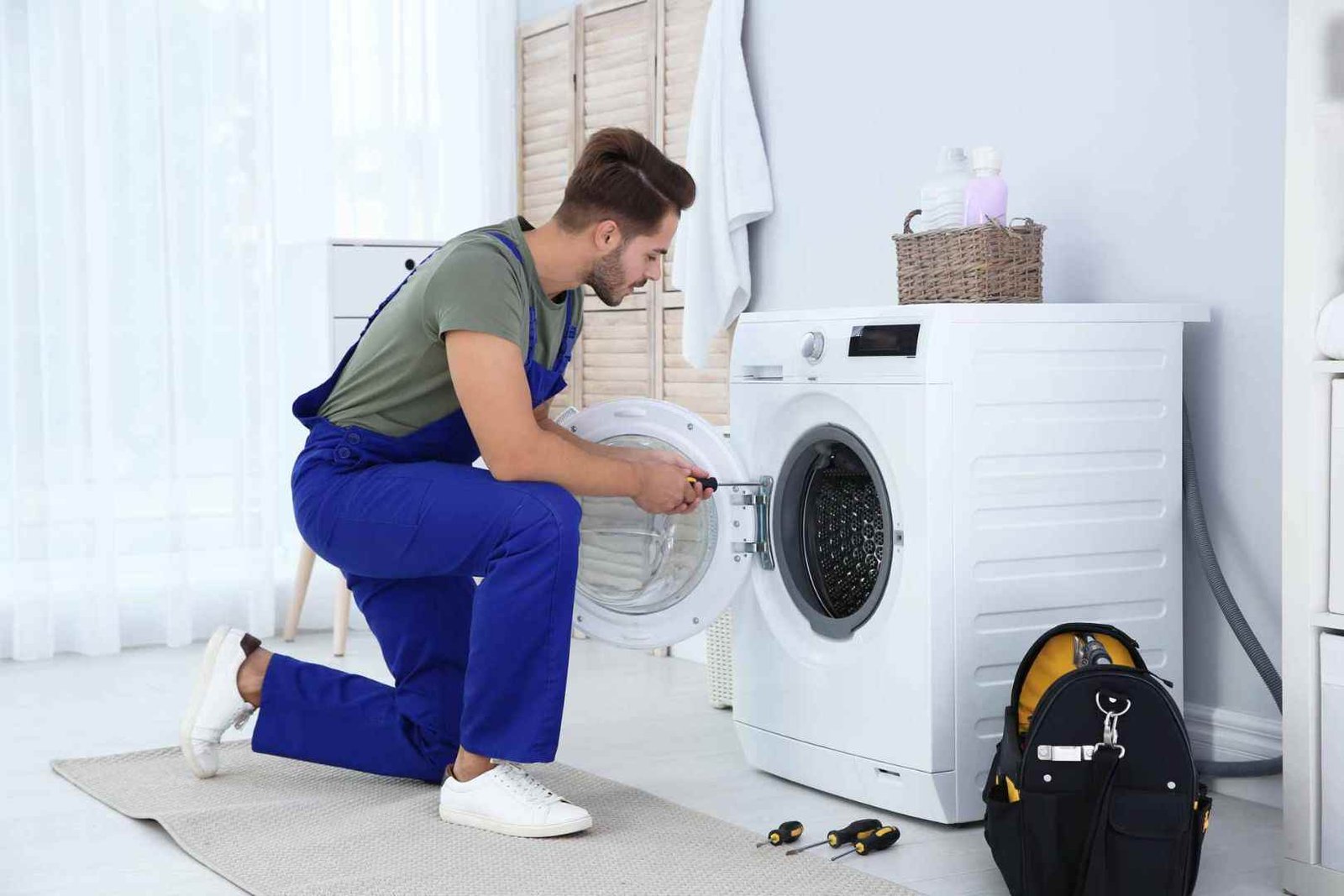
A washing machine specialist is not just a repair technician. They are trained to identify mechanical faults, electrical inconsistencies, and system inefficiencies that are often invisible to untrained eyes. Their expertise covers both modern smart washing machines and older mechanical models.
Instead of focusing only on visible symptoms like noise or leakage, specialists analyze internal systems such as motors, pumps, control boards, and sensors. This diagnostic depth is what separates professional service from temporary fixes.
- Accurate fault detection using diagnostic tools
- Repair of electrical and mechanical components
- Preventive maintenance and performance optimization
- Long-term reliability improvement strategies
Why Professional Washing Machine Repair Matters
Many homeowners initially attempt quick fixes when their washing machine stops working. However, without technical understanding, these attempts often lead to further complications. Professional repair ensures that underlying issues are properly addressed rather than temporarily hidden.
Service providers such as professional washing machine repair services focus on structured diagnostics that reduce repeat breakdowns. This approach not only saves cost over time but also improves machine lifespan.


Another key advantage is safety. Washing machines operate with water and electricity simultaneously, making improper handling risky without proper training.
Common Problems Handled by Washing Machine Experts
Service specialists regularly deal with a wide range of issues, from minor performance drops to major system failures. Understanding these common problems helps users identify early warning signs before complete breakdown occurs.
- Machine not starting or powering on
- Water drainage and inlet issues
- Excessive vibration or noise during spin cycles
- Drum rotation failure or imbalance
- Electrical control panel malfunctions
Each issue requires a different diagnostic approach. For example, drainage problems may involve pump inspection, while power issues often relate to control boards or wiring faults.
How Specialists Diagnose Washing Machine Faults
Diagnosis is the most important stage of any repair process. Experienced technicians follow a structured inspection flow rather than guessing the problem.
At professional service centers like washing machine service technician support, diagnostics usually begin with external symptoms and gradually move toward internal system testing.
This step-by-step analysis ensures accuracy and reduces unnecessary part replacement, which is a common issue in unprofessional repair services.
Typical Diagnostic Approach
- Initial visual inspection of machine condition
- Electrical testing of power supply and circuits
- Mechanical inspection of drum, belt, and motor
- Water system check including inlet and drainage
- Final confirmation using test cycles
Importance of Preventive Maintenance
One of the most overlooked aspects of appliance care is preventive maintenance. Instead of waiting for breakdowns, specialists recommend routine servicing to maintain efficiency and reduce unexpected failures.
Preventive maintenance includes cleaning internal components, checking wear-and-tear parts, and ensuring proper electrical flow. This not only enhances performance but also reduces long-term repair costs.
In many cases, users only contact technicians when machines stop working completely. However, early servicing can prevent major issues such as motor failure or control board damage.
When Should You Call a Washing Machine Specialist?
Knowing when to seek professional help is crucial. Delaying repair often leads to more expensive damage.
- Unusual noises during wash cycles
- Water leakage from base or pipes
- Drum not spinning or rotating properly
- Burning smell or electrical sparks
- Repeated cycle interruptions
In such situations, emergency services like urgent washing machine repair solutions are often the safest option, especially when the appliance is completely non-functional.
Service Categories in Washing Machine Repair
Different washing machine issues require specialized handling techniques. Below is a structured overview of common service categories used by professionals in the industry.
| Service Category | Common Issue | Specialist Action |
|---|---|---|
| Electrical Repair | Power failure, PCB faults | Testing circuits and replacing damaged components |
| Mechanical Repair | Drum or motor issues | Repair or replacement of moving parts |
| Water System Repair | Leakage or drainage failure | Inspection of pipes, valves, and pumps |
| Preventive Maintenance | Performance decline | Cleaning, tuning, and system optimization |
Choosing the Right Washing Machine Service Provider
Selecting a reliable technician is just as important as the repair itself. A qualified specialist ensures that the machine is repaired correctly the first time, avoiding repeated breakdowns.
Key factors to consider include technical experience, service transparency, and availability of genuine spare parts. Reliable companies also provide post-service guidance for better appliance care.
Technological Advancements in Modern Washing Machine Repairs
Today’s washing machines are no longer simple mechanical devices. They include sensors, digital control panels, and AI-assisted wash cycles. This evolution has also changed the way repairs are conducted.
Technicians now use digital diagnostic tools to detect faults more precisely. This reduces guesswork and ensures faster service delivery. Smart appliances require equally smart repair strategies, making professional expertise even more essential.
Cost Efficiency of Professional Repair Services
While some users initially consider DIY fixes or untrained technicians, professional repair services often prove more cost-efficient in the long run. Accurate diagnostics prevent unnecessary part replacement and reduce repeated failures.
Reliable platforms such as Hafixer focus on long-term performance improvement rather than temporary fixes, ensuring better value for homeowners.
Preventing Future Washing Machine Issues
After repair, proper usage habits play a major role in preventing future breakdowns. Simple maintenance routines can significantly improve machine lifespan.
- Do not overload the drum beyond capacity
- Clean detergent drawers regularly
- Check water inlet filters monthly
- Ensure proper ventilation around the machine
Consistent care reduces strain on internal systems and helps maintain efficient operation.
Conclusion
Washing machines are essential household appliances, and their performance directly impacts daily convenience. Professional washing machine service specialists ensure that these machines remain reliable, efficient, and long-lasting through accurate diagnostics and expert repair solutions.
Instead of temporary fixes, choosing skilled technicians guarantees safety, efficiency, and long-term savings. With structured maintenance and timely service, households can avoid unnecessary disruptions and keep their appliances running smoothly for years.
Frequently Asked Questions
What does a washing machine service specialist do?
A specialist diagnoses and repairs mechanical, electrical, and water-related issues in washing machines using professional tools and expertise.
How often should a washing machine be serviced?
It is recommended to service your washing machine at least once a year to ensure optimal performance and prevent unexpected breakdowns.
What are the signs of washing machine failure?
Common signs include unusual noise, water leakage, drum malfunction, and failure to start or complete cycles.
Is professional repair better than DIY fixes?
Yes, professional repair ensures accurate diagnosis and prevents further damage caused by incorrect handling or temporary fixes.
Can regular maintenance prevent breakdowns?
Regular maintenance significantly reduces the risk of major failures by keeping all internal components clean and functional.
Related Reading: Air Conditioner Service Specialists
Related Reading: Washing Machine Drain Pump Noise
Related Reading: Why Washing Machine Drainage Smells Bad
Related Reading: Aspire Flexus Q Review: Is It Worth It? — full guide
Related Reading: Washing Machine Water Leakage Repair Service