Introduction
Regular maintenance is essential for keeping business equipment, building systems, and facilities operating reliably. An Annual Maintenance Contract (AMC) can provide businesses with a structured way to manage these requirements throughout the year.
However, signing an AMC is a long-term commitment. Businesses should not make a decision based only on the quoted price. The services included, response times, exclusions, maintenance frequency, technical expertise, and contract conditions can all affect the value of the agreement.
A carefully reviewed maintenance contract can help businesses avoid misunderstandings and unexpected expenses while ensuring that their important assets receive appropriate attention.
Understand What an Annual Maintenance Contract Covers
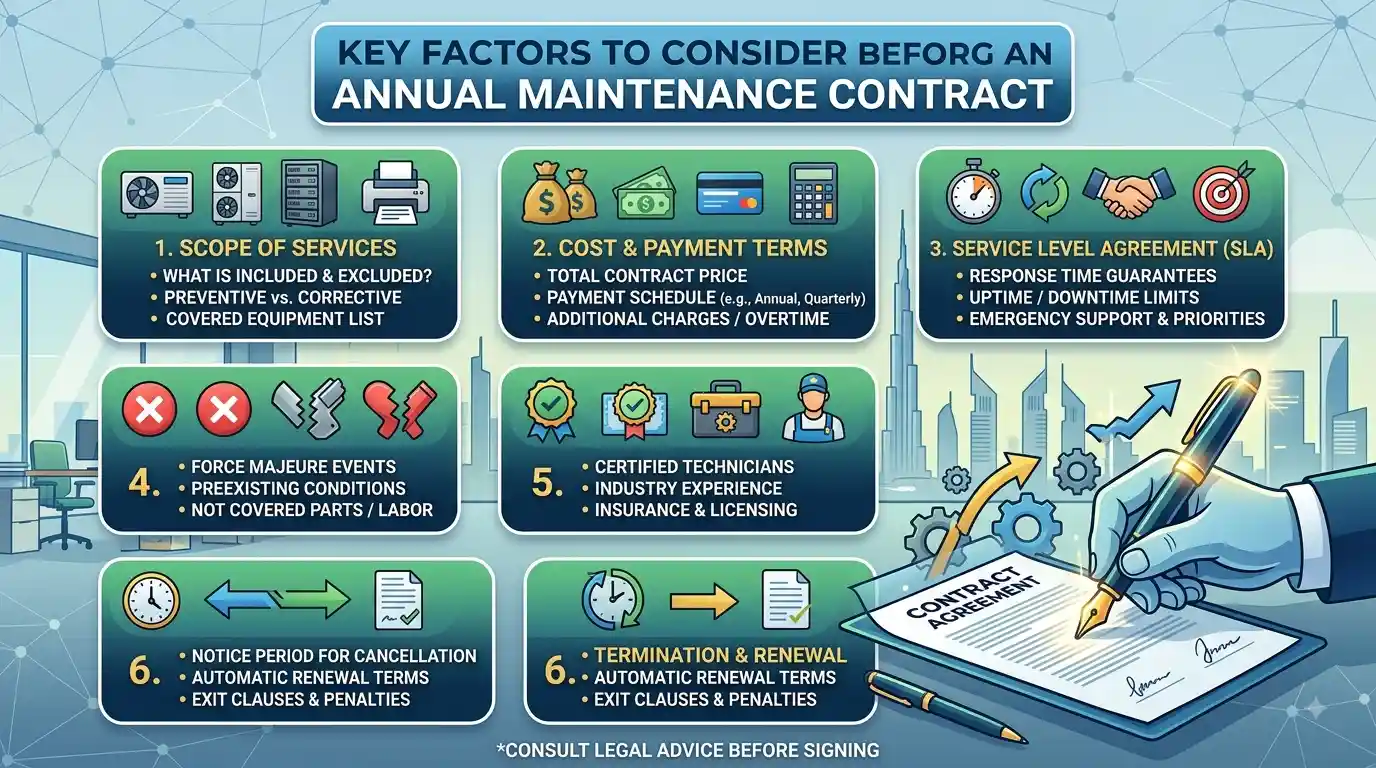
The first factor to consider is the scope of the contract.
Businesses should clearly identify which equipment, systems, or facilities are covered. The agreement should also explain what type of maintenance will be performed.
An AMC may include routine inspections, preventive servicing, cleaning, testing, troubleshooting, minor repairs, and technical assistance.


However, coverage differs between providers. Businesses should never assume that a particular service is included simply because it is related to maintenance.
Check the Maintenance Schedule
The frequency of maintenance visits is another important consideration.
Different equipment and systems have different maintenance requirements. Some may require monthly servicing, while others may only need quarterly or biannual inspections.
The maintenance provider should explain how often technicians will visit and what tasks will be performed during each visit.
A clear schedule helps ensure that important maintenance activities are not overlooked.
Review the Contract Duration
Most annual maintenance contracts remain active for twelve months, but businesses should verify the exact duration before signing.
The agreement should clearly state the start date, end date, and renewal conditions.
Businesses should also understand whether the contract automatically renews or requires a new agreement at the end of the term.
Knowing these details can help companies avoid unwanted renewals or interruptions in service.
Understand the Pricing Structure
Price is naturally an important consideration when selecting an AMC.
However, businesses should look beyond the total quoted amount and understand what the price actually includes.
The contract should explain whether the fee covers labor, routine inspections, preventive maintenance, emergency support, or other services.
Businesses should also ask whether prices can change during the contract period and under what circumstances additional costs may apply.
Check for Additional Charges
Some maintenance services may not be included in the standard AMC price.
Additional charges may apply to spare parts, major repairs, replacement components, emergency visits, specialized services, or work outside the agreed scope.
These costs should be clearly explained before signing the contract.
Understanding additional charges makes it easier to calculate the actual potential cost of maintaining equipment throughout the year.
Review Contract Exclusions
Exclusions are an important part of any maintenance agreement.
A contract may exclude damage caused by misuse, unauthorized modifications, external events, major equipment replacement, or certain spare parts.
Businesses should read the exclusions carefully and ask questions about anything unclear.
Knowing what is not covered can prevent unexpected disputes when a maintenance issue occurs.
Evaluate the Provider’s Technical Expertise
The quality of an AMC depends heavily on the maintenance provider’s technical capabilities.
Businesses should determine whether the provider has experience with the specific equipment and systems included in the contract.
A company with relevant expertise is more likely to identify potential problems accurately and perform maintenance according to appropriate procedures.
This is particularly important when the business operates specialized or technically complex equipment.
Check Technician Qualifications
Businesses should also consider the qualifications and experience of the technicians who will perform maintenance.
Technicians should have suitable training and practical knowledge of the systems they will service.
For certain equipment, specialized training or manufacturer-specific knowledge may be important.
Hiring a provider with capable technicians can help reduce the risk of improper servicing and recurring technical problems.
Ask About Emergency Response
Routine maintenance is only one part of an effective maintenance strategy.
Unexpected problems can occur between scheduled visits, so businesses should understand how the provider handles emergencies.
The AMC should specify whether emergency support is available, how quickly technicians are expected to respond, and whether additional charges apply.
These details can be particularly important for businesses that depend on critical equipment.
Check Response Times
A maintenance provider may offer emergency support but still have different response times depending on the type of problem.
Businesses should ask whether the contract defines response times for standard and urgent service requests.
Clear response expectations can help businesses understand what level of support they can realistically expect.
Review Repair and Replacement Policies
An AMC may cover maintenance without covering every repair or replacement.
Businesses should determine what happens when a component fails.
The agreement should clarify whether the provider supplies spare parts, whether parts are included in the contract price, and whether major repairs require separate approval.
Understanding these policies can help businesses avoid delays when equipment requires attention.
Consider the Provider’s Availability
A reliable maintenance company should have sufficient staff and resources to provide consistent service.
Businesses should ask about the provider’s working hours, emergency availability, service coverage, and ability to handle multiple service requests.
If a business operates several locations, it should also confirm that the provider can support all relevant sites.
Look at the Provider’s Reputation
A maintenance company’s reputation can provide useful insight into its reliability.
Businesses can consider customer reviews, testimonials, references, and previous projects when evaluating a provider.
Feedback from companies with similar equipment or facilities can be especially useful.
A strong reputation does not guarantee perfect service, but it can help businesses identify providers with a history of professional maintenance support.
Check Maintenance Reporting
Maintenance reports can help businesses understand the condition of their equipment.
The provider should ideally document service visits, inspections, repairs, faults, and recommendations.
These records can help managers track recurring issues and make informed decisions about repairs or equipment replacement.
Before signing the contract, businesses should ask whether service reports are included.
Understand Cancellation Conditions
Businesses should review the cancellation terms before signing an AMC.
The contract should explain whether the customer can terminate the agreement early and whether any fees or notice periods apply.
Understanding these conditions is important if business requirements change during the contract period.
Review Renewal Terms
The renewal process should also be clear.
Some agreements may automatically renew unless the customer provides notice within a specified period.
Businesses should check the renewal date and any changes that may apply to pricing or service terms.
This allows companies to review the provider’s performance before committing to another contract period.
Compare Different Providers
Businesses should avoid choosing the first maintenance provider they contact.
Obtaining quotations from several companies allows businesses to compare service coverage, pricing, technical expertise, response times, and contract conditions.
The cheapest option may not always be the best choice.
A provider offering broader coverage, better technical support, and faster response times may provide greater value over the long term.
Consider Long-Term Value
An AMC should be evaluated based on its overall value rather than its initial price.
A reliable provider can help prevent avoidable breakdowns, improve equipment performance, simplify maintenance management, and protect valuable assets.
Businesses should consider how the agreement could affect maintenance costs, downtime, equipment lifespan, and operational reliability over the entire contract period.
Get Everything in Writing
Any important promise or service commitment should be included in the written agreement.
Verbal discussions can be forgotten or misunderstood. A detailed contract gives both parties a clear reference point.
Businesses should ensure that important details such as maintenance frequency, response times, coverage, exclusions, pricing, and emergency support are documented.
Final Thoughts
Signing an Annual Maintenance Contract can provide businesses with an organized way to manage maintenance, but the agreement should be reviewed carefully before making a commitment.
Businesses should consider the scope of services, maintenance schedule, pricing, additional charges, exclusions, technician expertise, response times, emergency support, reporting, cancellation terms, and renewal conditions.
Comparing multiple providers and understanding the complete contract can help businesses choose a maintenance partner that matches their operational needs.
A well-structured AMC with a reliable provider can help businesses protect their equipment, reduce unexpected maintenance problems, and maintain more consistent operations throughout the year.
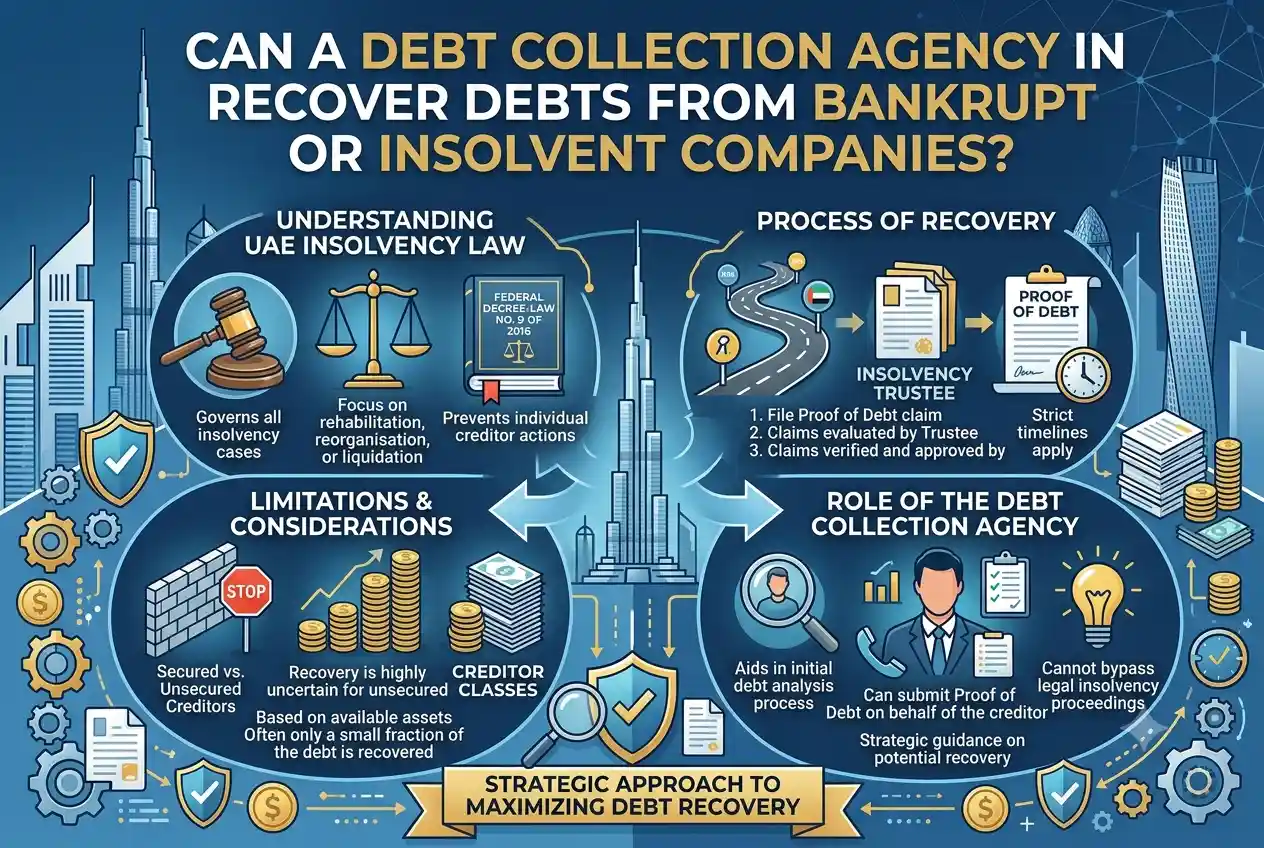
Related Reading: Can a Debt Collection Agency UAE Recover Debts from Bankrupt or Insolvent Companies?
Related Reading: Professional Dishwasher Maintenance Service — full guide
Related Reading: Importance of Annual Vehicle Inspection UAE for Safety Standards — full guide
Related Reading: Polestar UAE: Maintenance, Software Updates & Issues
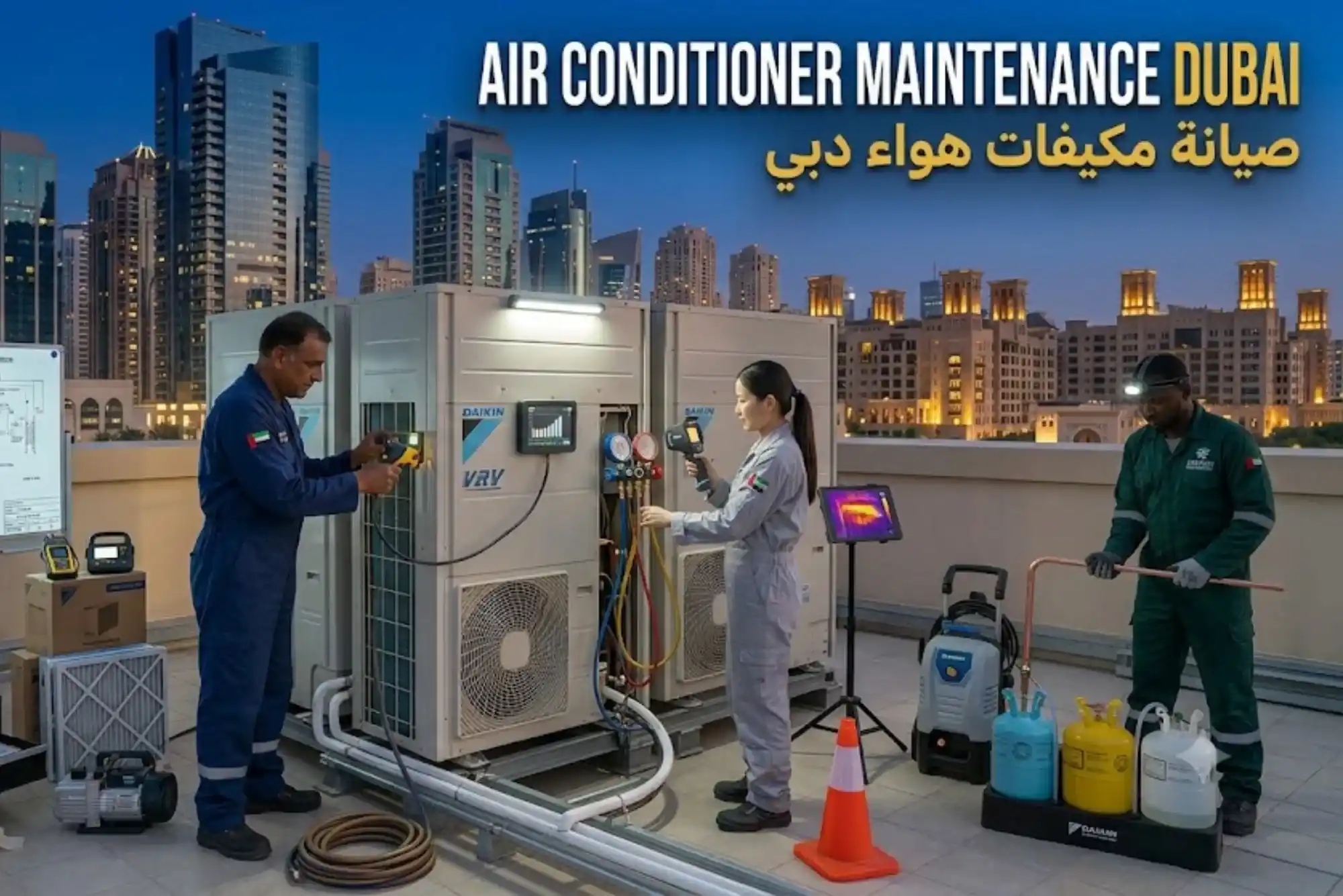
Related Reading: Air Conditioner Maintenance Dubai
Related Reading: Are Promo Codes Still Reliable for Online Shopping Discounts? — full guide
Related Reading: شركة ليلى نقل اثاث دبي: فك تغليف نقل وتركيب اثاث من البيت الى بيت حول الإمارات — full guide