Introduction
The UAE summer can be extremely challenging for dogs. High temperatures, intense sunlight, and hot surfaces can quickly cause overheating. Therefore, responsible pet owners must understand how heat affects dogs and how to prevent dangerous heatstroke.
Pet Care in UAE Summer: 7 Rules to Prevent Dangerous Heatstroke in Dogs focuses on practical habits that can protect your pet during the hottest months. Simple changes to walking schedules, hydration, indoor comfort, and outdoor activities can make a significant difference.
Dogs cannot cool themselves as efficiently as humans. They mainly regulate body temperature through panting and limited sweating through their paw pads. As temperatures rise, these natural cooling mechanisms can become overwhelmed.
Heatstroke is a serious emergency. It can cause organ damage and may become life-threatening without prompt treatment. Fortunately, careful summer planning can greatly reduce the risk.
Why UAE Summer Is Dangerous for Dogs
UAE summers bring conditions that can place considerable stress on dogs. Outdoor temperatures can become extremely high, while pavements and roads may become even hotter under direct sunlight.
A dog walking on hot pavement can experience discomfort or burns to the paw pads. More importantly, prolonged exposure to heat can increase the animal’s core body temperature.


Humidity can also make cooling harder. Panting helps dogs release heat through evaporation, but high humidity can reduce this process. Consequently, a dog may overheat even when the temperature does not seem extreme.
Certain dogs face additional risks. Puppies, senior dogs, overweight dogs, and dogs with breathing or heart problems may struggle more during hot weather.
Flat-faced breeds can be particularly vulnerable because their shortened airways can make effective cooling more difficult. Dogs with thick coats may also require additional summer management.
Rule 1: Change Your Dog’s Walking Schedule
One of the most important rules for Pet Care in UAE Summer: 7 Rules to Prevent Dangerous Heatstroke in Dogs is choosing safer walking times.
Avoid taking your dog outside during the hottest part of the day. Early morning and later evening are generally more suitable for outdoor exercise.
However, do not rely only on the clock. Check actual weather conditions before leaving. A warm evening may still be uncomfortable for a sensitive dog.
Keep summer walks shorter when temperatures are high. Your dog does not need intense exercise every day during extreme heat.
Instead, provide gentle movement and allow plenty of time for rest. Indoor games can help maintain physical activity without exposing your dog to dangerous temperatures.
Rule 2: Keep Fresh Water Available
Hydration is essential for effective temperature regulation. Dogs can lose significant amounts of water through panting, especially after activity.
Your dog should always have access to clean, fresh drinking water. Place water bowls in comfortable areas where your pet spends most of the day.
During particularly hot weather, check the bowl regularly. Water can become warm and less appealing after sitting for several hours.
When leaving home with your dog, carry water and a suitable portable bowl. This is especially important during longer journeys or outdoor activities.
Never assume your dog will find water naturally. Planning ahead is an important part of responsible summer pet care.
Rule 3: Never Leave Your Dog in a Parked Car
A parked vehicle can become dangerously hot within a short period. Opening the windows slightly does not make the environment safe.
Therefore, never leave your dog alone inside a parked car during hot weather. This applies even when you expect to be away for only a few minutes.
Air conditioning can also stop unexpectedly. A vehicle should not be considered a safe place for an unattended pet.
If you need to run an errand, leave your dog at home in a cool environment. Alternatively, arrange for another person to supervise the dog.
This simple precaution can prevent a potentially fatal emergency.
Rule 4: Protect Your Dog’s Paws From Hot Surfaces
Hot pavement is an often-overlooked summer hazard. Roads, sidewalks, and other surfaces can become much hotter than the surrounding air.
Before walking your dog, check the surface temperature carefully. Place the back of your hand against the pavement for several seconds.
If the surface is too hot for your hand, it is unsuitable for your dog’s paws. Choose a shaded route or postpone the walk.
Paw burns can cause pain, redness, blisters, and difficulty walking. If you notice signs of injury, stop the walk and inspect the paws.
During very hot periods, indoor exercise may be safer than outdoor walking.
Rule 5: Create a Cool Indoor Environment
Indoor temperature management is another important part of Pet Care in UAE Summer: 7 Rules to Prevent Dangerous Heatstroke in Dogs.
Your dog should have access to a cool, well-ventilated area. Air conditioning can be particularly valuable during periods of extreme heat.
Keep your pet’s bed away from direct sunlight. Close curtains or blinds where strong sunlight enters the room.
Fresh water should remain available throughout the day. You can also provide a cool resting surface where appropriate.
Avoid confining your dog in poorly ventilated rooms, balconies, garages, or enclosed outdoor spaces. These areas can become dangerously hot.
If your dog spends time alone at home, make sure cooling systems and water supplies are reliable.
Rule 6: Recognize the Early Signs of Heatstroke
Knowing the warning signs can help owners respond quickly. Excessive panting is one common indication that a dog is struggling with heat.
Other warning signs may include drooling, weakness, unusual tiredness, vomiting, diarrhea, confusion, or difficulty maintaining balance.
As heatstroke progresses, a dog may become extremely weak or collapse. Changes in gum color can also indicate a serious problem.
Do not wait for severe symptoms before taking action. If you suspect heatstroke, move your dog to a cooler area and contact a veterinarian immediately.
Heatstroke is a veterinary emergency. Professional advice should be obtained as quickly as possible.
Avoid relying on home treatment alone when serious symptoms are present. Rapid veterinary assessment can be critical.
Rule 7: Adjust Exercise and Outdoor Activities
Dogs often want to continue playing even when environmental conditions are unsafe. Owners must therefore control the intensity and duration of summer activities.
Avoid strenuous running, extended fetch sessions, and prolonged outdoor play during extreme heat.
Instead, use mentally stimulating indoor activities. Puzzle toys, obedience practice, scent games, and gentle indoor play can provide valuable enrichment.
Swimming may seem like an ideal cooling activity, but it still requires supervision. Not every dog is a confident swimmer, and outdoor water can create additional risks.
After outdoor activities, allow your dog to rest in a cool location. Provide fresh water and monitor their breathing and behavior.
Which Dogs Need Extra Summer Protection?
Every dog needs protection from excessive heat. However, some dogs may require additional precautions.
Brachycephalic breeds, such as Pugs and Bulldogs, can have greater difficulty breathing efficiently in hot conditions. Their owners should be especially cautious with exercise.
Older dogs may also tolerate heat less effectively. Puppies can be vulnerable because their temperature regulation is still developing.
Dogs carrying excess weight may experience greater heat stress. Similarly, dogs with certain medical conditions may need individualized summer exercise recommendations.
If your dog belongs to a higher-risk group, discuss summer management with your veterinarian. A personalized plan can help determine safe activity levels.
What Should You Do If Your Dog Shows Heatstroke Symptoms?
If you suspect heatstroke, treat the situation seriously. Immediately stop exercise and move your dog away from direct heat.
Place the dog in a cool, shaded, or air-conditioned environment. Offer small amounts of water if the dog is alert and able to drink.
Do not force water into your dog’s mouth. Avoid delaying veterinary care while attempting home remedies.
Contact a veterinarian immediately and explain the symptoms. Follow the professional’s instructions while arranging transportation.
If possible, keep the vehicle cool during the journey. Continue monitoring your dog closely.
Prompt veterinary attention is essential because heatstroke can affect multiple organs, even after the dog appears cooler.
Summer Grooming and Coat Care
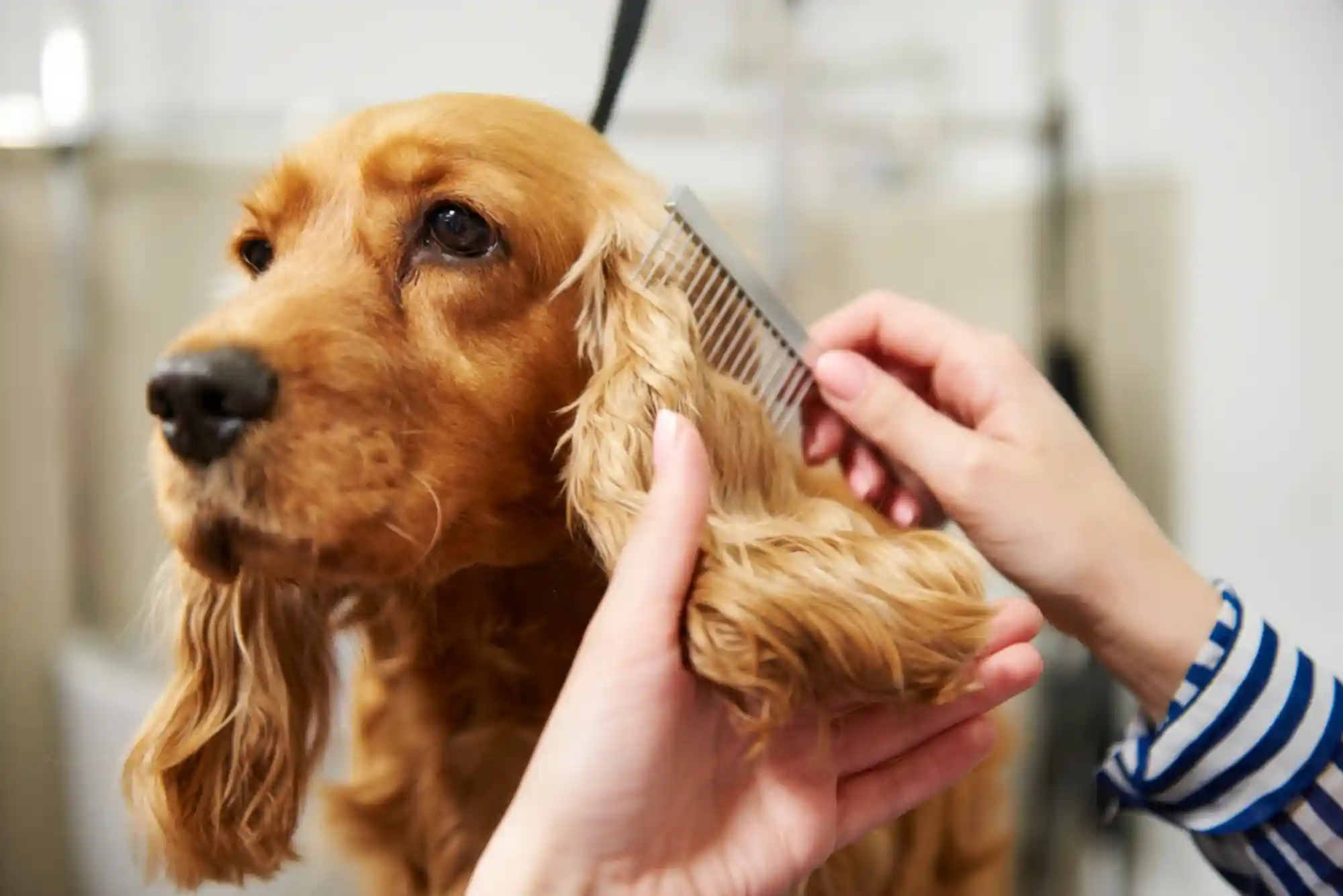
Grooming can contribute to comfortable summer pet care, but shaving is not automatically the best solution.
A dog’s coat provides insulation and can offer some protection from sunlight. The appropriate grooming approach depends on the breed, coat type, and individual dog.
Regular brushing can remove loose hair and prevent mats. A clean, well-maintained coat can also support normal airflow.
Ask a professional groomer or veterinarian about suitable grooming for your dog’s coat. Avoid making major coat changes based solely on assumptions about heat.
Good grooming should complement hydration, shade, appropriate exercise, and temperature control.
Frequently Asked Questions
Can dogs survive UAE summer heat?
Dogs can live safely in hot climates when owners provide appropriate temperature control, hydration, shade, and exercise management. However, extreme heat can become dangerous quickly.
Indoor cooling and carefully planned outdoor activities are particularly important during UAE summer.
How can I keep my dog cool in UAE summer?
Keep your dog indoors during extreme heat whenever possible. Provide fresh water and access to a cool resting area.
Schedule outdoor activities during cooler periods. Also, avoid hot pavement and strenuous exercise.
What temperature is too hot for dogs?
There is no single temperature that is safe for every dog. Breed, age, health, humidity, coat, activity, and acclimatization all influence heat tolerance.
In the UAE, owners should take a cautious approach during periods of extreme heat and humidity.
How do I know if my dog is suffering from heatstroke?
Warning signs can include excessive panting, heavy drooling, weakness, vomiting, confusion, poor coordination, and collapse.
Heatstroke can progress quickly. Suspected heatstroke requires immediate cooling measures and urgent veterinary attention.
Should I shave my dog during summer?
Not necessarily. Shaving is not suitable for every breed and can remove natural coat protection.
Regular brushing and appropriate professional grooming are generally better starting points. Ask your veterinarian or groomer about your dog’s specific coat.
Can dogs walk on hot pavement?
Hot pavement can burn a dog’s paw pads and contribute to overheating. Check the surface before every summer walk.
If the pavement feels too hot for your hand, choose a cooler route or postpone the walk.
Conclusion
Pet Care in UAE Summer: 7 Rules to Prevent Dangerous Heatstroke in Dogs starts with prevention. Safe walking times, constant hydration, indoor cooling, and careful exercise can significantly reduce heat-related risks.