Introduction
Sandstorms in the UAE pose serious health hazards to household pets living across the region. High winds carry fine dust particles and silica deep into the respiratory tract of vulnerable animals. Dogs and cats breathe much faster than humans relative to their body weight, causing them to inhale higher volumes of airborne contaminants during severe dust storms.
Living in desert climates like Dubai or Abu Dhabi requires constant vigilance from dedicated pet owners. Fine particulate matter settles inside living spaces and irritates delicate nasal tissues and lung linings. Recognizing these environmental risk factors helps you protect your furry companions from developing chronic long-term breathing conditions.
How to Protect Pets During UAE Sandstorms: Respiratory Care Guide
Proper airflow management prevents fine outdoor dust from creeping through doors, windows, and ventilation gaps. High-efficiency air purifiers help trap microscopic pollutants before pets can inhale them into their delicate lungs. Inspecting window seals regularly and using draft stoppers blocks fine desert sand from penetrating your primary living spaces.
Maintaining optimal indoor humidity levels calms irritated airways and prevents persistent dry coughing fits in dogs and cats. Providing fresh, cool drinking water helps flush out trapped throat particles naturally throughout the day. Following this comprehensive respiratory guide keeps your beloved pets safe and comfortable during extreme weather conditions.
Identifying Respiratory Distress Symptoms in Dogs and Cats
Cats rarely pant under normal indoor conditions, so open-mouth breathing is a major warning sign. If a cat begins panting or gasping for air, seek urgent veterinary assistance without delay. Dogs might show inflamed red eyes, constant sneezing fits, and heavy throat clearing after spending even brief moments outside.
Keep a close eye on highly vulnerable pets during active dust advisories issued by local authorities. Senior animals and those with underlying asthma or heart conditions suffer severe reactions very quickly. Early identification allows you to intervene with proper care before mild airway irritation escalates into serious pulmonary infections.


Preparing Your Home Environment for Sandstorms in the UAE
Creating an airtight shelter inside your home serves as your primary defense line against severe desert dust. Seal all windows and exterior doors using high-quality weatherproofing strips to prevent drafts from carrying sand indoors. Turn off external ventilation systems and close fresh air intakes to stop outdoor pollutants from entering your living space.
Designate a central interior room away from main entryways and windows as a safe sanctuary space. Keep food bowls, clean water fountains, and favorite bedding inside this protected environment to minimize movement near outside doors. Restricting movement within the home further shields delicate lungs from circulating airborne sand.
Outdoor Safety Protocols for Dogs During Dust Storms
Skip long outdoor exercise sessions, games of fetch, and extended walks when dust storm warnings remain active. Brief outdoor potty breaks should be strictly limited to just a few minutes in a sheltered area. Walk your dog in courtyards or covered pathways that provide natural shielding from strong, dust-laden wind gusts.
Rinse your dog’s paws, coat, and belly thoroughly with fresh water immediately after stepping back indoors. Use a warm, damp microfiber cloth to gently wipe down sensitive areas around the snout, nose, and mouth. Removing exterior sand prevents pets from accidentally ingesting or licking settled dust off their fur during daily grooming.
Protecting sensitive eyes and nostrils prevents long-term tissue irritation and painful corneal scratches. Never allow dogs to run, jog, or exercise vigorously outdoors during high wind and dust events across the UAE. Keeping outdoor trips as short as possible successfully shields your dog from severe environmental hazards.
Special Care Instructions for Vulnerable and Flat-Faced Breeds
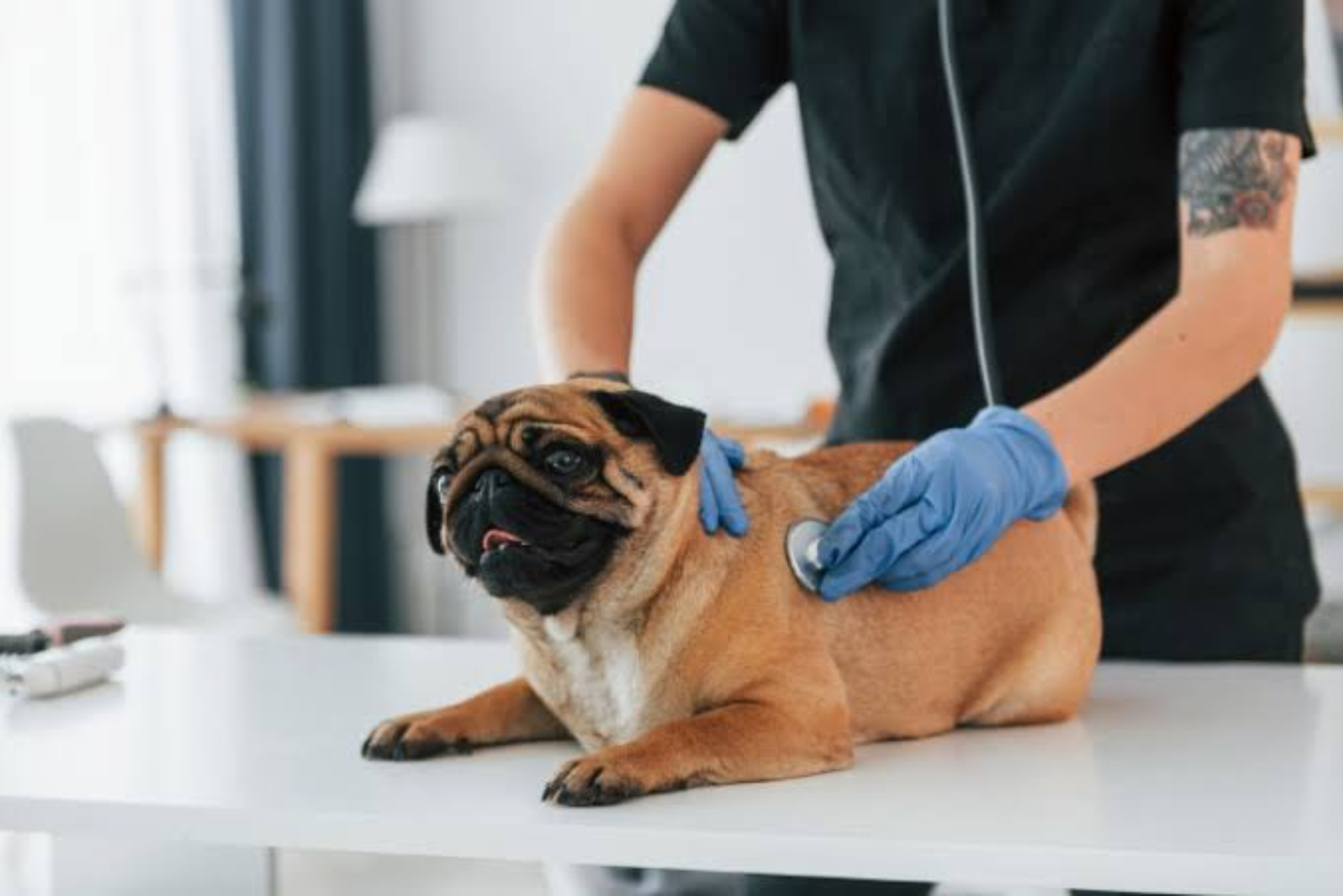
Keep brachycephalic pets strictly indoors in air-conditioned environments whenever local air quality index readings drop. Use cool-mist humidifiers nearby to maintain moist mucous membranes and ease breathing inside your home. Provide constant access to cold drinking water to encourage regular hydration, which keeps airway secretions thin and easy to clear.
Contact your veterinarian immediately if your flat-faced pet shows any signs of increased breathing effort or distress. Pre-existing respiratory conditions like feline asthma or collapsed trachea demand strict adherence to prescribed medical management plans. Having emergency medications and inhalers readily accessible ensures you can quickly manage sudden breathing flare-ups.
Long-Term Preventive Measures for Desert Pet Care
Building strong lung health involves establishing daily preventive wellness habits for pets living in desert environments. Regular veterinary checkups help spot early signs of chronic bronchitis, airway sensitivity, or seasonal allergies. Maintaining a balanced, nutrient-rich diet boosts overall immune defenses against airborne pathogens and environmental stressors.
Install high-efficiency filtration media across your home HVAC system and maintain it year-round for optimal air quality. Vacuum carpeted areas, rugs, and furniture daily using a vacuum cleaner fitted with a certified HEPA filter. Keeping indoor surfaces free of settled dust stops particles from re-entering the breathing zone when pets move around.
Stay well-informed by regularly monitoring local UAE weather forecasts and official air quality index updates. Planning ahead allows you to adjust daily walking schedules and potty breaks before sandstorms actually arrive in your area. Consistent long-term care safeguards your pet’s respiratory system for many happy and healthy years.
When to Seek Immediate Veterinary Care for Your Pet
Some respiratory problems caused by dust exposure require immediate clinical intervention from a licensed veterinary specialist. Severe respiratory distress often manifests through blue or pale gums, extreme lethargy, or sudden collapse. Excessive salivation combined with heavy, labored abdominal breathing signals an urgent medical emergency that cannot wait.
Do not wait for sandstorms to clear if your pet’s physical condition begins deteriorating rapidly at home. Transport your pet in a well-ventilated, climate-controlled vehicle directly to the nearest emergency veterinary clinic. Call the clinic in advance so the medical team can prepare oxygen therapy chambers or bronchodilators before you arrive.
Professional veterinary care prevents permanent lung tissue damage caused by severe dust inhalation and secondary infections. Early clinical treatment ensures a faster, smoother recovery for affected dogs and cats following severe weather events. Always trust your instincts as an owner when your pet exhibits unusual or uncomfortable breathing patterns.
Frequently Asked Questions
Can sandstorms cause asthma in pets?
Yes, fine dust particles inhaled during sandstorms can trigger acute asthma attacks in both dogs and cats. Repeated long-term exposure to desert sand irritates bronchial tubes, leading to chronic airway inflammation and severe breathing difficulties.
How do I protect my dog’s eyes during a sandstorm?
Keep outdoor visits as brief as possible and wipe your dog’s face gently with a damp cloth immediately after returning inside. Removing dust from around the eyelids stops sharp sand grains from scratching delicate eye tissues.
Are indoor cats safe from sandstorm dust?
Indoor cats are significantly safer than outdoor animals, but microscopic desert dust still enters homes through window gaps and doorways. Cats that spend time near unsealed windows can inhale fine particles that settle on sills and furniture.
Should I use a mask on my dog during a sandstorm?
Most dogs resist wearing face masks, which can cause intense anxiety, stress, and restricted airflow. Trying to force a dog to wear a mask often increases their heart rate and causes heavier panting, worsening dust inhalation.
Conclusion
Protecting your pets during UAE sandstorms requires quick action, proper home preparation, and attentive daily care. By sealing windows, running HEPA air purifiers, and limiting outdoor breaks, you keep delicate airways safe from toxic dust. Monitoring your pets closely for subtle signs of respiratory distress ensures timely care when they need it most.